
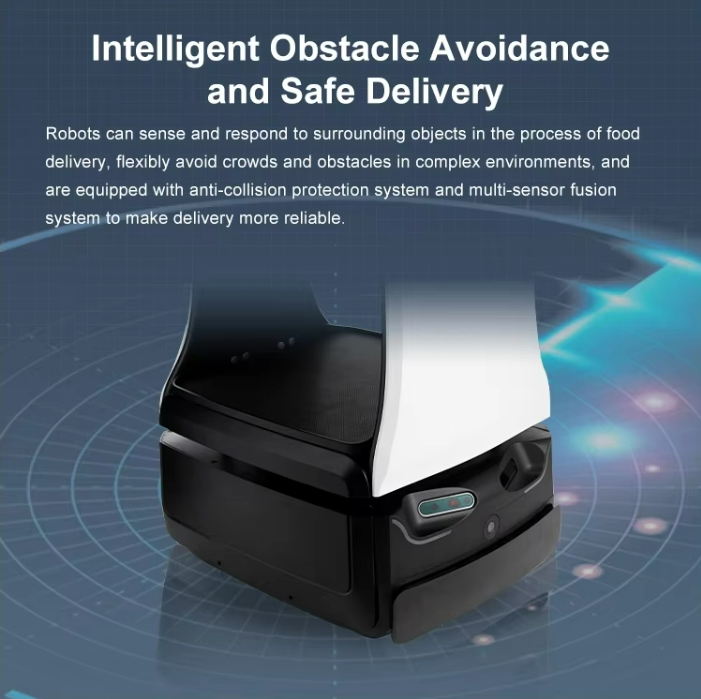
In the world of technology and healthcare, new innovations are ceaselessly emerging. One of the most promising technologies on the horizon is the ultraviolet disinfection robot, or UV disinfection robot. This marvel of advanced robotics and germicidal technology has the potential to revolutionize cleanliness standards in a variety of public spaces, with hospitals being at the forefront.
What is a UV Disinfection Robot?
A UV disinfection robot is an autonomous machine equipped with Ultraviolet-C (UV-C) light sources. The primary function of these robots is to eliminate harmful microorganisms such as viruses, bacteria, and fungi by exposing them to UV-C light. They’re designed to navigate through rooms autonomously, sterilizing surfaces and purifying the air as they go.
The Science Behind UV Disinfection
The power behind a UV disinfection robot lies in its use of ultraviolet light – specifically, UV-C light. This type of UV light has been scientifically proven to destroy the DNA or RNA structure of microorganisms, effectively killing or deactivating them.
Understanding UV Light
Ultraviolet light falls into three categories: UV-A, UV-B, and UV-C. While we’re exposed to small amounts of UV-A and UV-B rays every time we go outside on a sunny day (and know their potential harm), it’s actually the lesser-known sibling, UVC that holds significant germicidal properties.
Germicidal Properties
UV-C light operates at wavelengths between 200-280 nanometers (nm). At this wavelength range, it disrupts nucleic acids inside microorganisms’ cells and interferes with their ability to reproduce. If a cell can’t reproduce, then it can’t infect – which makes UVC highly effective at sterilization.
Benefits of UV Disinfection Robots in Hospitals
The application of UV disinfection robots in hospitals and other healthcare facilities holds numerous benefits, including:
- Reduced Infection Rates: By effectively killing or deactivating harmful microorganisms, UV disinfection robots can contribute to a significant reduction in hospital-acquired infections.
- Safety and Efficiency: These robots can operate autonomously without supervision, reducing the risk of exposure for cleaning staff. Plus, they’re capable of disinfecting large areas quickly and efficiently.
- Chemical-Free Cleaning: Unlike traditional cleaning methods that rely on chemical disinfectants, UV-C light leaves behind no residue. This makes it an environmentally friendly solution that is safe for patients with chemical sensitivities.
UV Disinfection Robots Beyond Healthcare
The potential use cases for UV disinfection robots extend beyond healthcare facilities. They could be used in any high-traffic public spaces like schools, shopping centers, airports, and restaurants where maintaining cleanliness is crucial to prevent disease transmission.
In Conclusion
In the battle against infectious diseases, especially in the era of COVID-19, technology like the UV disinfection robot proves to be an invaluable ally. Its capability to efficiently sterilize environments while minimizing human exposure to potentially harmful pathogens represents a significant advancement towards maintaining public health safety.
This groundbreaking technology beautifully combines automation and germicidal science. It promises not just cleaner hospitals but a safer future where the spread of infectious diseases can be mitigated effectively using innovative solutions like the UV disinfection robot.