
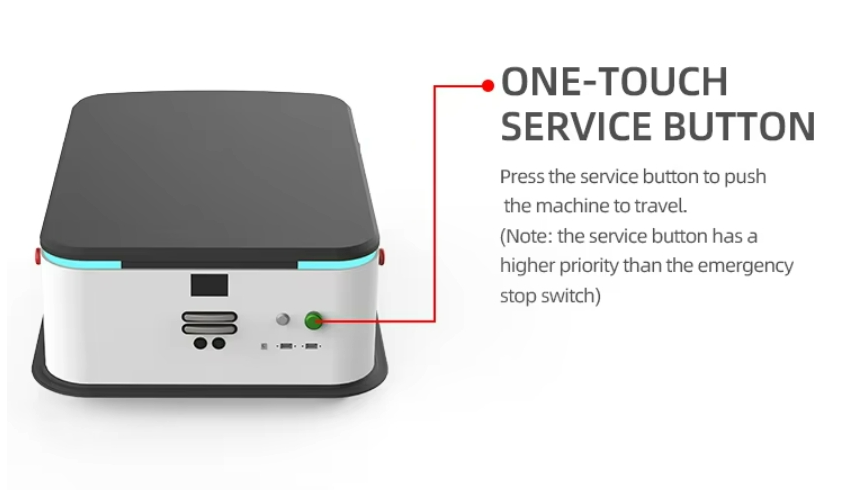
With the rise of e-commerce, there has been an increased demand for efficient and reliable delivery systems. One particular innovation that has garnered a lot of attention is the autonomous delivery robot. This is where the role of a “delivery robot manufacturer” becomes essential. These manufacturers design and create robots that can autonomously navigate through city streets to deliver goods right at our doorstep.
Understanding Last-Mile Logistics
Last-mile logistics refers to the final step in the delivery process when a product moves from a transportation hub to its final destination, often a personal residence. It’s known as one of the most challenging aspects of supply chain management due to factors like traffic congestion and navigation issues in residential areas.
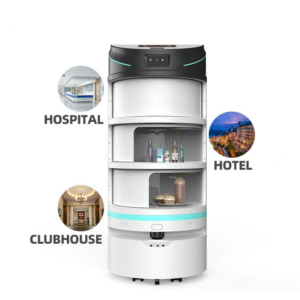
The Role of Autonomous Delivery Robots
An autonomous delivery robot is designed specifically to address these challenges. They use sophisticated navigation technologies, including GPS, cameras, sensors, and complex algorithms, enabling them to traverse urban landscapes safely and efficiently.
A leading delivery robot manufacturer ensures that their robots are capable of navigating sidewalks, crossing streets safely, avoiding obstacles such as pedestrians or pets while maintaining optimal speed.
The Making Of An Autonomous Delivery Robot
Creating an autonomous robot is no easy task. It requires expertise in various domains such as robotics, artificial intelligence (AI), machine learning (ML), and computer vision. A competent delivery robot manufacturer combines all these technologies to create a highly functional product.
Design & Construction
Firstly, the robots are designed keeping robustness and durability in mind since they have to withstand varying weather conditions. Light-weight materials with high durability like aluminum or plastic composites are commonly used.
Sensor Integration
Next comes sensor integration. A multitude of sensors like lidar (Light Detection And Ranging), radar (Radio Detection And Ranging), and cameras are used to detect and avoid obstacles.
Software Development
The final step is software development, which includes creating algorithms for navigation, obstacle detection, and path planning. It also involves developing a user-friendly interface for customers to interact with the robot.
Benefits Of Autonomous Delivery Robots
Apart from solving last-mile delivery issues, autonomous delivery robots have several other benefits:
- Eco-friendly: These robots are usually electrically powered and hence reduce carbon emissions associated with traditional delivery vehicles.
- Saves Time: They can operate 24/7 without breaks, speeding up deliveries.
- Cost-Effective: Once the initial investment is recovered, operating costs are relatively low as there’s no need for fuel or driver salaries.
Conclusion
In conclusion, the role of a delivery robot manufacturer extends beyond just building a machine. It involves solving complex logistical challenges using cutting-edge technology. With their potential to revolutionize last-mile deliveries, autonomous delivery robots could very well be the future of e-commerce logistics.