
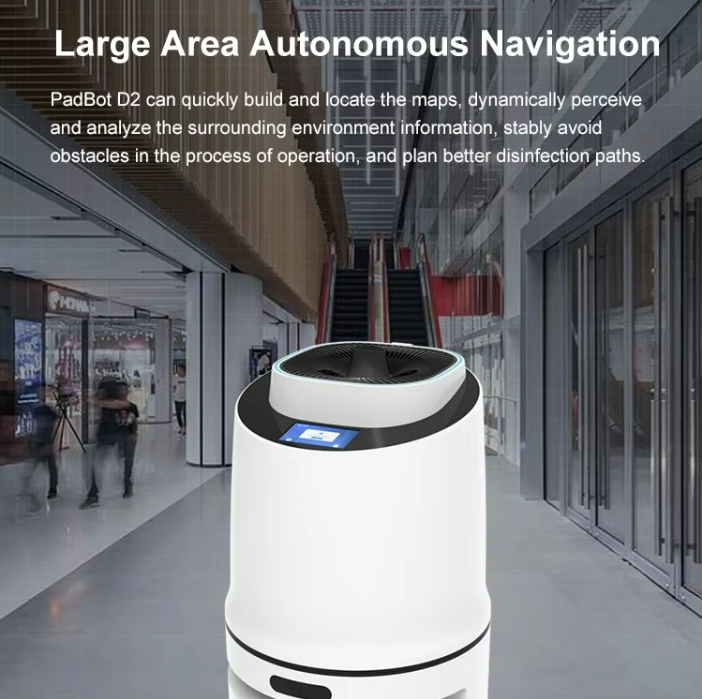
In the fight against harmful bacteria and viruses, technology has become one of our strongest allies. One of the most innovative solutions to surface in recent years is the use of Ultraviolet-C (UV-C) light for disinfection. The UV disinfection robot has emerged as a game-changer, particularly in hospital and public spaces settings where cleanliness and sterility are paramount. But what exactly is this technology, how does it work, and why should we consider implementing it? Let’s delve into these questions.
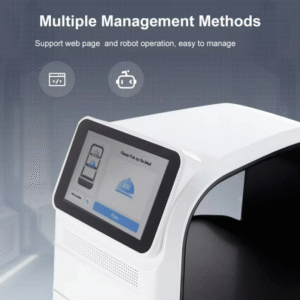
Understanding UV Disinfection Robots
A UV disinfection robot is essentially an autonomous device designed to emit concentrated UV-C light. This specific type of ultraviolet light effectively destroys microorganisms’ DNA or RNA, thereby eliminating their ability to reproduce and cause infection. These robots have been increasingly employed in hospitals and other healthcare settings due to their effectiveness against a wide range of pathogens, including antibiotic-resistant bacteria and even Coronaviruses.
The Working Mechanism: How Does It Work?
The uv disinfection robot operates by roaming around a given area – be it hospital rooms, corridors, or public spaces – emitting concentrated UV-C light onto surfaces and objects in its path. The high-energy light is absorbed by microbial cells’ nucleic acids, causing dimerization – a process that damages their DNA or RNA structure. This damage prevents the microorganisms from replicating or functioning properly – thus effectively neutralizing them.
Advantages Of Using A UV Disinfection Robot
The benefits of using these robots are numerous:
- Efficacy: They kill up to 99.9% of harmful microorganisms, including drug-resistant species.
- Safety: Since they operate autonomously with minimal human interaction, they minimize the risk to cleaning staff from both infection and exposure to harmful cleaning chemicals.
- Speed: Depending on the model, these robots can disinfect an entire room in as little as 10-20 minutes.
The Application Of UV Disinfection Robots In Hospitals And Public Spaces
In response to the COVID-19 pandemic, many hospitals have turned to uv disinfection robots to supplement their existing infection control protocols. These robots are typically used in patient rooms, operating theatres, intensive care units (ICUs), and other high-risk areas.
Public spaces such as airports, train stations, shopping malls, and schools can also benefit greatly from this technology. By regularly deploying UV disinfection robots, these areas can maintain a higher standard of cleanliness and safety for their patrons.
Tips For Implementing UV Disinfection Robots
If you’re considering implementing a uv disinfection robot into your facility’s cleaning routine, here are a few practical tips:
- Choose the Right Robot: Different models offer varying coverage capabilities and features. Ensure that the one you choose is appropriate for your specific needs.
- Training: While these machines operate autonomously, some training will be necessary for staff members responsible for their maintenance and operation.
- Safety Measures: Despite being safe overall, direct exposure to UV-C light can be harmful to humans. Therefore, ensure that rooms are vacant during operation.
Conclusion
In conclusion, uv disinfection robots represent a powerful tool in our ongoing battle against infectious diseases. Their ability to efficiently and safely rid environments of harmful pathogens makes them an invaluable addition to any comprehensive cleaning strategy – particularly in settings such as hospitals or public spaces where the risk of disease transmission is high. As technology continues to advance, we can expect to see these robots playing an increasingly pivotal role in our collective health and safety.