
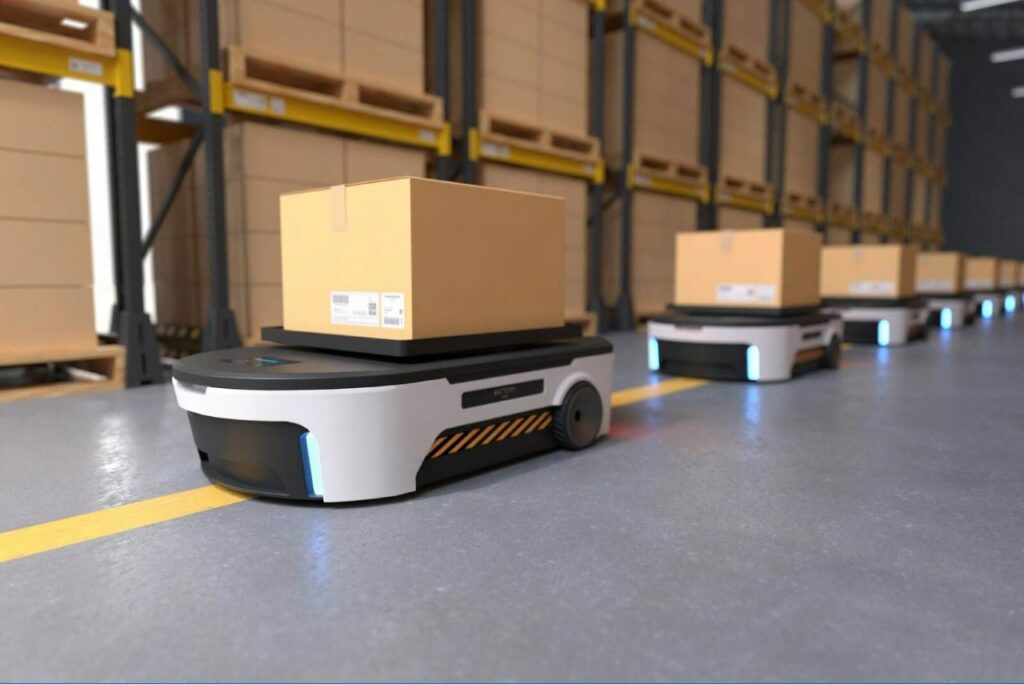
The advent of the UV disinfection robot has been a game changer in the fight against infectious diseases, particularly in hospitals and public spaces. These robots are designed to emit concentrated ultraviolet (UV) light that kills bacteria, viruses and other pathogens, providing a highly effective method of disinfection.
Understanding UV Disinfection
The principle behind UV disinfection is simple yet effective. Ultraviolet light falls into three categories: UV-A, UV-B and UV-C. While all three can kill or inactivate microorganisms by destroying nucleic acids and disrupting their DNA, it’s UV-C that’s most effective at this task.
UV-C light is used in both water and air purification systems due to its germicidal properties. However, it’s harmful to humans which is why the application of UV technology was limited until recent years.
The Rise of the UV Disinfection Robot
Then came the invention of the uv disinfection robot. These robots have significantly expanded the use of germicidal ultraviolet light. They are designed to move autonomously within a specified area, emitting concentrated UVC light that kills or deactivates pathogens on surfaces as well as in air.
UV disinfection robots have proven especially valuable in environments where infection control is paramount – such as hospitals, nursing homes, schools and public transportation hubs.
The Role of Robots in Healthcare Environments
In healthcare settings like hospitals and clinics, these robots play a crucial role. They not only contribute towards maintaining cleanliness standards but also help prevent Hospital-Acquired Infections (HAIs). By reducing pathogen load on surfaces and air around patient care areas, they minimize risk to patients as well as staff members.
How Does a UV Disinfection Robot Work?
A UV disinfection robot is usually programmed to clean a specific area at set times. Once the robot reaches its designated spot, it starts emitting UV-C light in all directions. The high-energy light penetrates the cells of bacteria and viruses, destroying their DNA and RNA structures and rendering them harmless.
Advantages of Using a UV Disinfection Robot
- Efficiency: These robots can disinfect large areas quickly, making them more efficient than manual cleaning methods.
- Safety: Since they operate autonomously, human exposure to harmful UV-C radiation is minimized.
- Eco-friendly: They do not use chemicals or produce waste, making them an environmentally friendly option for disinfection.
Conclusion
In conclusion, uv disinfection robots are revolutionizing how we approach cleanliness and infection control in public spaces. They offer a highly effective, safe and eco-friendly solution for maintaining hygiene standards. As technology continues to evolve, we can expect these robots to become even more sophisticated and valuable in our ongoing battle against infectious diseases.