
In the heart of an increasingly tech-savvy society, one innovation is revolutionizing sanitation practices in public spaces and healthcare facilities – the UV disinfection robot. With its capacity to harness the virus-killing potential of ultraviolet light (UV-C), this futuristic device offers a promising solution to maintain hygiene standards and curb the spread of infectious diseases.
Understanding UV Disinfection Robots
UV disinfection robots are autonomous devices designed to emit concentrated UV-C light. This particular spectrum of ultraviolet light has germicidal properties that can effectively kill bacteria, viruses, and other pathogens by breaking down their DNA structure.
The major advantage of these robots is their ability to disinfect large areas without human intervention. They can be programmed to navigate through rooms, corridors, or public areas while radiating UV-C light, ensuring thorough disinfection within minutes.
Why Are UV Disinfection Robots Essential?
The use of UV disinfection robots has become more critical than ever before due to their efficiency and effectiveness in eliminating harmful microorganisms. In the wake of global health crises like COVID-19, maintaining high hygiene standards in public spaces such as hospitals, airports, schools, and shopping malls is paramount.
Traditional cleaning methods may not fully eradicate all germs and viruses on surfaces or in the air. However, with a UV disinfection robot’s sterilization rate reaching up to 99%, it provides an extra layer of protection against contamination and disease transmission.
Benefits for Hospitals
- Safety: The robots minimize human contact with potentially contaminated areas by performing tasks autonomously. This reduces risks for cleaning staff and helps prevent cross-contamination.
- Efficacy: They ensure comprehensive coverage as they can reach even hard-to-clean areas like corners and under furniture, providing an additional level of cleanliness.
- Time-Efficient: The robots can disinfect a large area in a short time, thereby increasing productivity and efficiency.
How Does a UV Disinfection Robot Work?
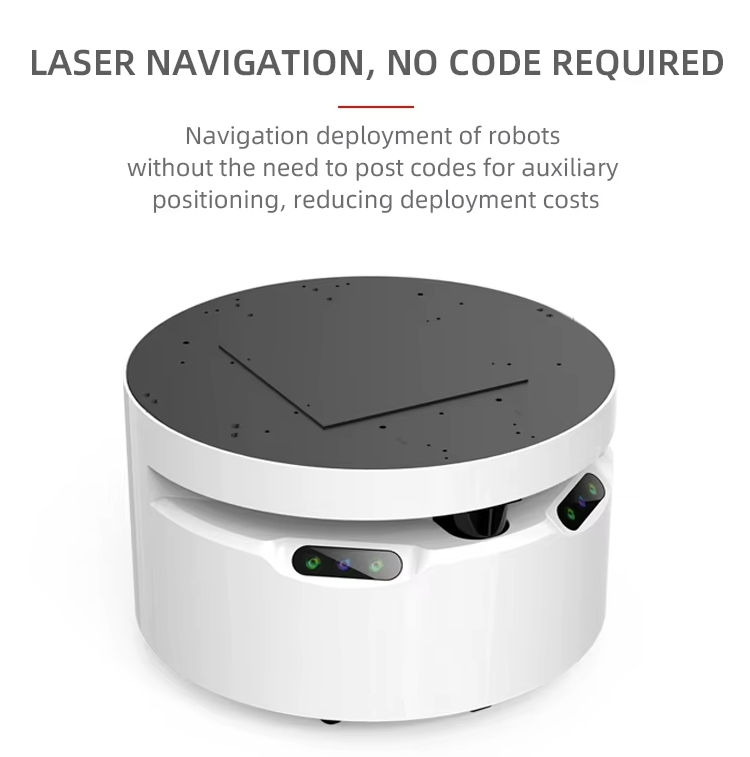
A UV disinfection robot generally operates in two phases – navigation and disinfection. In the navigation phase, the robot uses built-in sensors and mapping technology to move around without colliding with obstacles. Once it has mapped out its path, it begins the disinfection phase, emitting UV-C rays that effectively sterilize the environment.
The duration of the disinfection process varies depending on factors like room size and required sanitation level. After completing its task, the robot automatically returns to its charging station.
Conclusion
In conclusion, UV disinfection robots represent a significant leap forward in maintaining cleanliness and safety standards in public areas and healthcare facilities. Their ability to provide fast, efficient, and automated cleaning solutions makes them an essential tool in our battle against infectious diseases. As these robots continue to evolve with advancements in technology, their adoption will undoubtedly become more widespread across various sectors.