
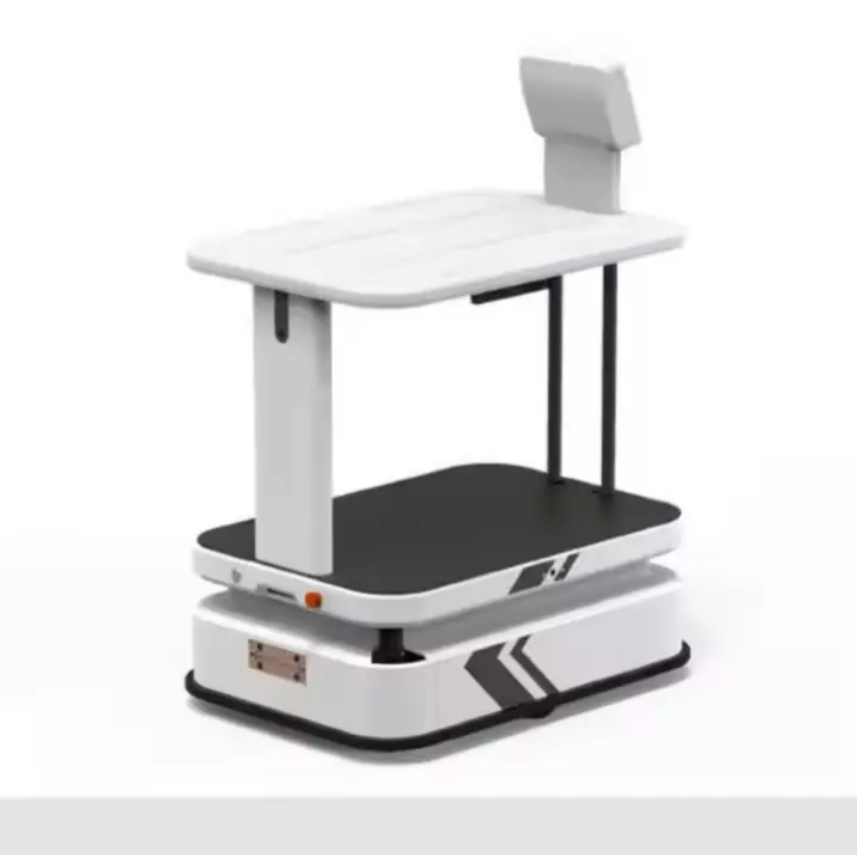
With the ongoing pandemic, cleanliness and health safety have become paramount across all sectors. One technology that has risen to prominence in this regard is the UV disinfection robot. This innovative solution uses ultraviolet light to kill microbes and viruses, providing a more effective and efficient way of disinfecting public spaces, especially healthcare facilities.
What is a UV Disinfection Robot?
A UV disinfection robot is an autonomous device designed to sterilize surfaces and air within a particular environment. It utilizes UV-C light, a type of ultraviolet light with germicidal properties, to eliminate harmful pathogens including bacteria, fungi, and viruses.
How Does it Work?
The robot moves autonomously around the designated area while emitting concentrated UV-C light. The short-wavelength radiation penetrates the cells of microbes, damaging their DNA or RNA and preventing them from reproducing or functioning – effectively killing them.
Benefits of Using a UV Disinfection Robot
The use of UV disinfection robots offers numerous advantages over traditional cleaning methods:
- Efficacy: The UV-C light can kill up to 99% of germs on surfaces and in the air, including those resistant to chemical disinfectants.
- Time-efficient: Robots can work continuously without breaks, reducing the time needed for thorough disinfection.
- Safety: By minimizing human involvement in cleaning processes, these robots reduce the risk of exposure to infectious diseases for cleaning staff.
The Role of UV Disinfection Robots in Hospitals
Hospitals are one of the prime applications for these robots due to their need for stringent sanitation standards. They are used in operating rooms, patient rooms, corridors, and other high-traffic areas to keep the environment as germ-free as possible. In addition to reducing healthcare-associated infections, they also help protect hospital staff from potential infection.
UV Disinfection Robots in Public Spaces
Beyond hospitals, UV disinfection robots are increasingly being deployed in other public spaces like shopping malls, airports, schools, and offices. With their ability to sanitize large areas efficiently and effectively, they can play a key role in making these places safer for the public amid the ongoing pandemic.
Potential Challenges
While UV disinfection robots offer significant benefits, they also pose certain challenges. For instance, although UV-C light is highly effective at killing microbes, it can be harmful to humans if directly exposed. Therefore, areas need to be vacated when the robot is operating. Additionally, these robots represent a significant investment and may not be affordable for all organizations.
Conclusion
The UV disinfection robot represents a significant advance in our fight against infectious diseases. Its effectiveness and efficiency make it an invaluable tool for maintaining cleanliness and health safety in various settings. While there are challenges to overcome, its growing adoption signifies a promising step towards a cleaner and safer future.