
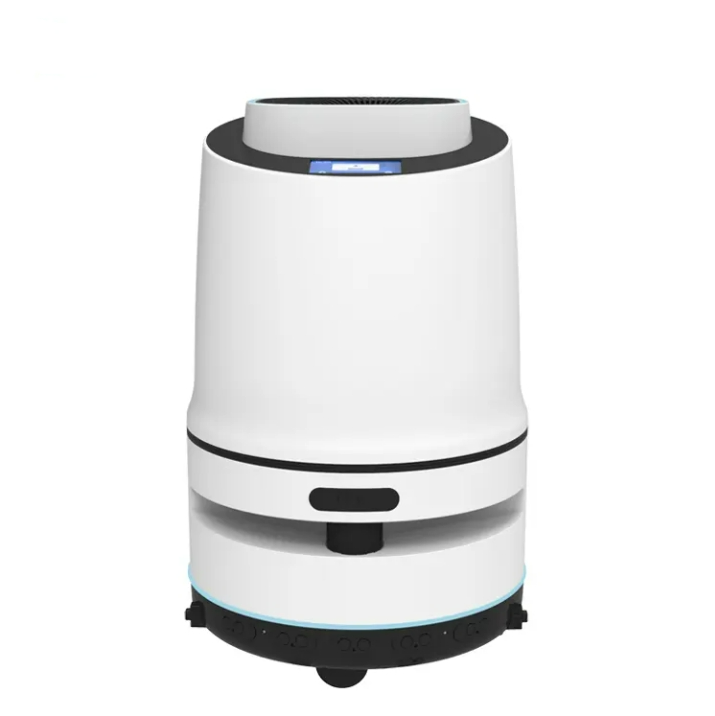
Understanding the UV Disinfection Robot
In a world where cleanliness and hygiene are paramount, the UV disinfection robot has become an invaluable tool. This technological marvel harnesses the power of ultraviolet light to sanitize public spaces and hospitals efficiently. It’s a game-changer in maintaining cleanliness standards and fostering healthy environments. But what exactly is a UV disinfection robot, and how does it work? Let’s dive into the details.
How Does a UV Disinfection Robot Work?
UV disinfection robots use short-wavelength ultraviolet (UV-C) light to kill or inactivate microorganisms by destroying nucleic acids and disrupting their DNA, leaving them unable to perform vital cellular functions. The process is known as germicidal irradiation – a method that leaves viruses, bacteria and other pathogens incapacitated.
The Power of UV-C Light
Unlike regular cleaning methods which may fail to eliminate all harmful microorganisms, UV-C light can effectively kill or neutralize 99.9% of germs on surfaces within its reach. This ability makes the UV disinfection robot an efficient sanitization solution for high-traffic public spaces and hospital settings where optimal hygiene is critical.
Benefits of Using a UV Disinfection Robot
The use of a UV disinfection robot comes with numerous benefits:
- Comprehensive Coverage: These robots can navigate complex environments, ensuring comprehensive coverage that traditional cleaning methods might miss.
- Safety: With humans out of harm’s way during operation, there’s no risk of exposure to hazardous cleaning chemicals or harmful pathogens.
- Efficacy: They can eradicate up to 99.9% of harmful microorganisms, offering a higher level of cleanliness than manual cleaning.
- Time-saving: Given their ability to work autonomously, these robots drastically reduce the time and labor required for thorough disinfection.
Practical Applications of UV Disinfection Robots
UV disinfection robots are versatile tools with numerous practical applications. They are particularly beneficial in areas where maintaining high hygiene standards is crucial.
Hospitals & Healthcare Facilities
In hospitals and healthcare facilities, these robots play a critical role in preventing healthcare-associated infections (HAIs). They can be used to disinfect patient rooms, operating theaters, emergency rooms, and other areas that require high levels of sanitization.
Public Spaces
In public spaces such as airports, shopping malls, schools, and offices, UV disinfection robots ensure a clean and safe environment for the general public. By eliminating harmful germs on surfaces frequently touched by many people, they reduce the risk of disease spread.
In Conclusion
The UV disinfection robot is a powerful ally in our ongoing battle against harmful pathogens. Its ability to provide comprehensive sanitization quickly and safely makes it an indispensable tool in various settings – from healthcare facilities to public spaces. As we continue to prioritize hygiene and cleanliness in our daily lives, embracing this advanced technology will undoubtedly lead us towards healthier environments.