
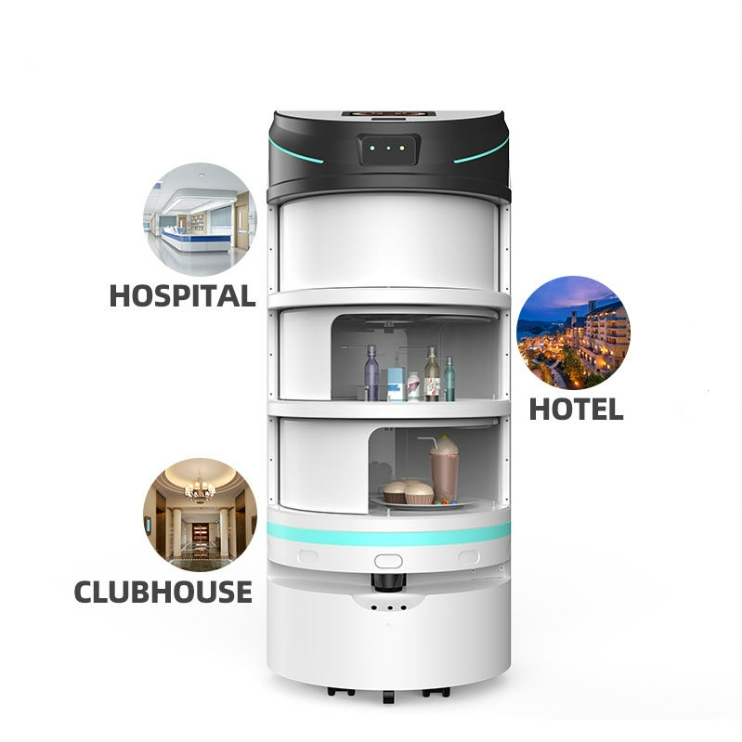
As we navigate through the COVID-19 pandemic, public health and safety have taken center stage. One promising technology that has emerged in this fight is the UV disinfection robot. These robots use ultraviolet light, specifically UV-C light, to kill harmful microorganisms, including viruses like SARS-CoV-2.
Understanding the Technology
The UV disinfection robot operates on a simple yet effective principle: Ultraviolet Germicidal Irradiation (UVGI). This process involves using short-wavelength ultraviolet (UV-C) light to kill or inactivate microorganisms by disrupting their DNA, leaving them unable to perform vital cellular functions.

Unlike traditional cleaning methods that rely on human labor and chemical disinfectants, UV disinfection robots can cover larger areas more consistently and quickly. They also eliminate the risk of human exposure to harmful pathogens.
Application in Hospitals
Hospitals are one of the most crucial areas where UV disinfection robots come into play. With high-risk patients and various infectious diseases present, maintaining a germ-free environment is essential. The robot can be used for regular disinfection of patient rooms, operating theaters, ICU wards, and even hallways—virtually any space that people occupy.
Besides reducing healthcare-associated infections (HAI), another significant benefit is that it allows healthcare staff to focus more on patient care rather than spending excessive time on cleaning tasks.
Tips for Implementing UV Disinfection Robots in Hospitals
- Identify High-Risk Areas: The first step is identifying high-risk areas within the hospital where infection spread could be rampant.
- Create a Schedule: Develop a routine schedule for deployment based on these high-risk areas’ foot traffic and usage.
- Staff Training: Ensure hospital staff is adequately trained to operate the robot and understand all safety measures associated with its use.
Application in Public Spaces
Apart from hospitals, UV disinfection robots can also be used effectively in other public spaces like airports, centros comerciales, escuelas, y oficinas. These are areas where large groups of people gather and increase the risk of infection spread. The robot’s ability to quickly disinfect large spaces makes it an excellent tool for maintaining public health and safety.
Tips for Implementing UV Disinfection Robots in Public Spaces
- Conduct a Risk Assessment: Not every area within a public space requires the same level of disinfection. Conducting a risk assessment allows you to identify high-risk zones where the robot should be deployed regularly.
- Create Awareness: Inform the public about these robots’ presence and their purpose to alleviate any fears or misconceptions about their function.
- Schedule during Off-Peak Hours: To avoid disruption, consider operating these robots during off-peak hours or when the facility is closed.
En conclusión…
The UV disinfection robot represents an exciting leap forward in our ongoing battle against infectious diseases. Aprovechando el poder de la luz UV-C, these machines offer a fast, eficiente, and chemical-free way to keep both healthcare facilities and public spaces safer. As we continue to navigate through these challenging times, technologies like this will play an essential role in protecting our communities.