
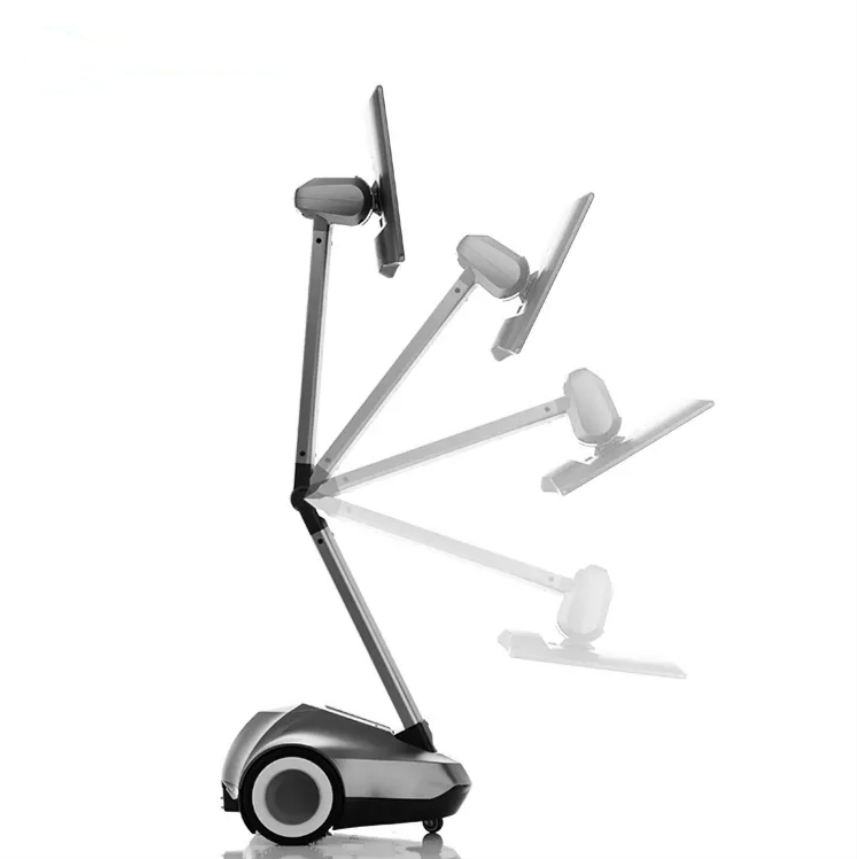
In the war against pathogens, we constantly seek innovative solutions to keep our environment safe. One such solution that has garnered significant attention is the UV disinfection robot. This technological marvel uses ultraviolet (UV) lumière, spécifiquement la lumière UV-C, to eradicate harmful microorganisms in hospitals and public spaces.
Understanding UV Disinfection
Before we delve into the specifics of UV disinfection robots, let’s first understand what UV disinfection is. Ultraviolet (UV) disinfection is a non-chemical process that kills or inactivates microorganisms by disrupting their DNA. The method uses short-wavelength ultraviolet (UV-C) light to destroy nucleic acids and disrupt their DNA, les laissant incapables de remplir des fonctions cellulaires vitales.
The Role of Robots in UV Disinfection
Au cours des dernières années, robotic technology has been incorporated into the process of UV disinfection. UN “UV disinfection robot” is a device that uses autonomous navigation to move around specific areas while emitting a high-intensity ultraviolet (UV-C) light that kills microorganisms and viruses. The key advantage of this system is its ability to work tirelessly for extended periods of time without human intervention.
Applications: Hospitals and Public Spaces
The use of UV disinfection robots has become increasingly common in healthcare settings like hospitals where maintaining sterility is crucial. These robots are particularly effective in intensive care units (USI), operation theatres, chambres de patients, and other areas prone to high levels of contamination.
Au-delà des hôpitaux, these robots also find applications in various public spaces such as schools, bureaux, shopping malls and airports where they can help maintain cleanliness levels and reduce the risk of disease transmission.
Les avantages de l'utilisation d'un robot de désinfection UV
- Efficacité: UV disinfection robots can sanitize large areas quickly and efficiently, reducing the need for manual cleaning.
- Sécurité: Since these robots can operate autonomously, they minimize human exposure to both pathogens and UV-C radiation.
- Efficacité: UV-C light is capable of killing a wide range of microorganisms, including multi-drug resistant organisms that are difficult to eliminate with traditional cleaning methods.
Challenges and Considerations
No technology is without its challenges, and UV disinfection robots are no exception. Premièrement, these machines are relatively expensive, which may impede widespread adoption. En plus, while the use of UV-C light reduces exposure to harmful chemicals found in traditional disinfectants, direct exposure to this type of radiation can be hazardous to humans. Donc, spaces must be vacant when robots are in operation.
Moving Forward: The Future of Disinfection
The advent of the COVID-19 pandemic has underscored the necessity for effective disinfection methods. As we continue our fight against new and existing pathogens, technologies like the UV disinfection robot will play an increasingly important role in maintaining public health safety. It is clear that while challenges exist, the benefits far outweigh them – making this technology a promising solution for a safer future.