
Introduction to the Revolutionary UV Disinfection Robot
टेक्नोलॉजी की दुनिया लगातार विकसित हो रही है, introducing innovative solutions that make our lives easier and safer. One such groundbreaking invention is the UV disinfection robot. This state-of-the-art machine uses ultraviolet (यूवी) light for a non-touch, rapid-kill approach against pathogens and microorganisms, making it an invaluable tool in hospitals and public spaces.
यूवी कीटाणुशोधन रोबोट कैसे काम करता है?
Understanding the science behind UV disinfection robots is key to appreciating their vast capabilities. These machines employ short-wavelength ultraviolet light (यूवी ग) to kill or inactivate microorganisms by destroying nucleic acids and disrupting their DNA. This leaves them unable to perform vital cellular functions, effectively neutralizing harmful viruses and bacteria.
Key Components of UV Disinfection Robots
A typical UV disinfection robot consists of multiple components designed to optimize its efficiency and effectiveness:
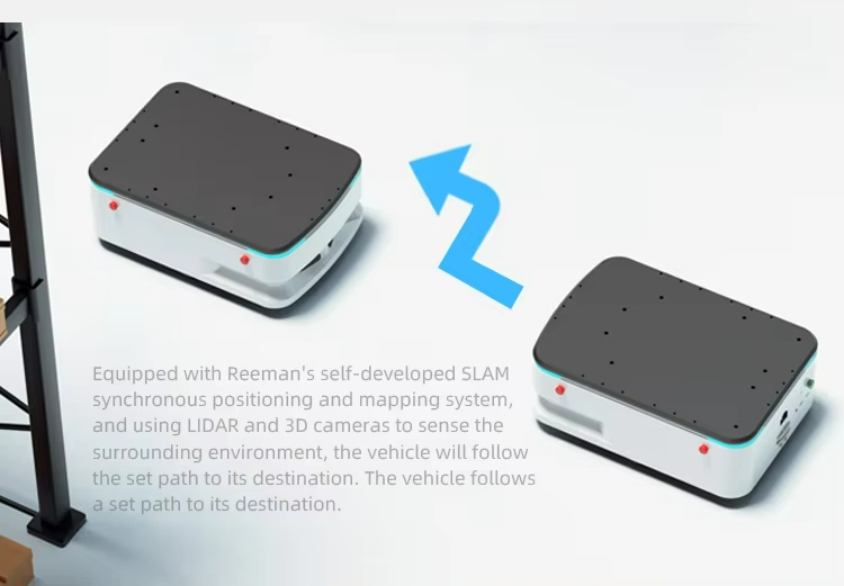
- Motion sensors: These ensure that the robot stops emitting UV-C light when human movement is detected within its operating range, safeguarding people from potential exposure.
- Timers: Timers facilitate automatic operation during off-hours or low-traffic periods.
- Lamps: High-intensity lamps emit concentrated doses of germicidal ultraviolet radiation.
The Impact of UV Disinfection Robots on Healthcare Facilities
In healthcare settings, cleanliness and sterility are paramount. Traditional cleaning methods can leave room for error, potentially causing disease spread. The introduction of UV disinfection robots has revolutionized facility sanitization processes, offering several benefits:
- Better sterilization effectiveness: Because they disrupt DNA structures directly, UV disinfection robots can eliminate pathogens that are resistant to traditional cleaning chemicals.
- Non-touch technology: By eliminating the need for physical contact, these robots reduce the risk of cross-contamination.
- Time efficiency: These robots can sanitize spaces quickly, freeing up time for healthcare workers to focus on patient care.
The Role of UV Disinfection Robots in Public Spaces
Public spaces like shopping malls, gyms, हवाई अड्डों, and schools can be breeding grounds for viruses and bacteria. The deployment of UV disinfection robots ensures a higher level of cleanliness by rapidly sanitizing large areas without human intervention. This not only enhances public health safety but also reassures visitors about the commitment to hygiene and sanitation.
Tips for Implementing UV Disinfection Robots
If you’re considering investing in a UV disinfection robot, यहां कुछ व्यावहारिक सुझाव दिए गए हैं:
- Safety measures: Ensure that safety protocols are in place to protect people from direct exposure to UV-C light.
- Training: Train staff members on how to operate and maintain the robot effectively.
- Variety of models: Choose a model based on your specific needs. Some models are designed for open spaces while others are better suited for smaller rooms or areas with many obstacles.
A Bright Future with UV Disinfection Robots
निष्कर्ष के तौर पर, the advent of UV disinfection robots presents an exciting step forward in our ongoing battle against harmful microorganisms. By harnessing the power of UV-C light, these machines offer an efficient, effective means of sterilizing environments – from hospitals to public spaces. As we continue to prioritize health and safety in all aspects of life, the UV disinfection robot stands out as a beacon of technological innovation and progress.