
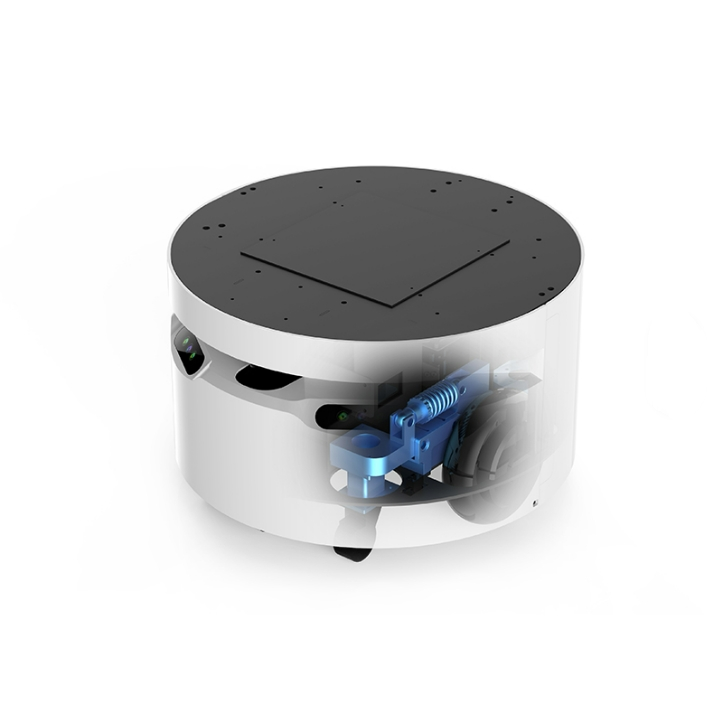
Understanding the UV Disinfection Robot
Imagine a world in which harmful germs, viruses, and bacteria are eliminated without the use of dangerous chemicals or human effort. That’s the reality the UV disinfection robot is creating. This innovative piece of technology uses powerful UV-C light to sanitize surfaces and air in various settings, most notably hospitals and public spaces.
How Does a UV Disinfection Robot Work?
The ‘UV’ in UV disinfection robot stands for Ultraviolet. The robot emits ultraviolet light in the C spectrum (UV-C), a wavelength known for its germicidal effects. It destroys the DNA of harmful microorganisms, thereby eliminating their ability to replicate. With this capability, it drastically reduces infection transmission rates.
Why Hospitals Use UV Disinfection Robots
In a hospital setting where preventing infections is crucial, using a uv disinfection robot significantly improves sanitation standards. Not only does it efficiently clean hard-to-reach places but also prevents cross-contamination that can occur with traditional cleaning methods.
Benefits in Public Spaces
Beyond hospitals, public spaces such as shopping malls, airports, schools and offices can also greatly benefit from these robots. By ensuring thorough disinfection regularly, they help minimize the spread of diseases among people.
Evaluating Effectiveness of UV Disinfection Robots
A key question many ask about this technology is how effective it actually is. Numerous studies have shown that UV-C light can kill up to 99% of bacteria and viruses on surfaces and in the air, including strains resistant to other forms of disinfection.
Potential Limitations
While highly efficient, uv disinfection robots do have limitations. For instance, they cannot disinfect areas that are not directly exposed to UV-C light. Therefore, they should be used as part of a comprehensive cleaning strategy rather than the sole means of sanitation.
Making the Most Out of UV Disinfection Robots
To maximize the benefits of a uv disinfection robot, it’s essential to understand its proper usage and maintenance:
- Ensure all surfaces are exposed: For the robot to effectively sanitize an area, there shouldn’t be any obstacles blocking its light.
- Maintain regularly: Like any machine, these robots require regular maintenance to ensure their longevity and optimal performance.
The Future of Sanitation: UV Disinfection Robots
In conclusion, uv disinfection robots are rapidly transforming sanitation practices in hospitals and public spaces. By harnessing the power of UV-C light, they offer an efficient solution to eliminate harmful pathogens and ensure safer environments.
As with any technology, understanding its capabilities and limitations is key. When used correctly as part of a broader cleaning strategy, these robots can significantly reduce infection rates and foster healthier communities.