
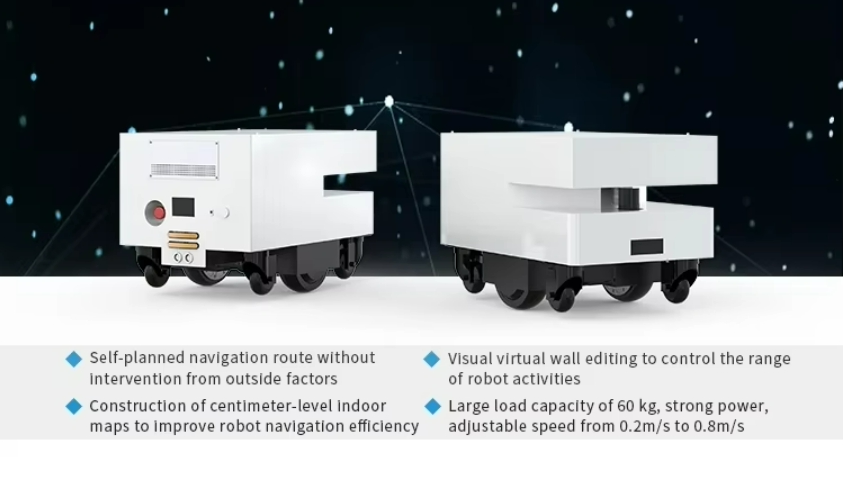
In our relentless battle against harmful microorganisms and viruses, technology has once again lent us a powerful weapon – the UV disinfection robot. These futuristic devices are rapidly transforming our approach to cleanliness and hygiene, particularly in critical settings like hospitals and public spaces.
Understanding UV Disinfection Robots
The concept of using ultraviolet (UV) light for sterilization is not new. For decades, UV lamps have been employed in water treatment plants, laboratories, and medical facilities to eliminate bacteria and viruses. However, the advent of UV disinfection robots has revolutionized this process, making it more efficient and comprehensive.
A UV disinfection robot essentially harnesses the germicidal properties of short-wavelength ultraviolet light (UV-C). This light can effectively kill or inactivate microorganisms by disrupting their DNA or RNA, thereby preventing them from reproducing or functioning.
Why Are They Relevant?
In an era where infectious diseases can spread rapidly due to high population density and global travel, maintaining high standards of hygiene is paramount. Traditional cleaning methods often miss certain areas or leave behind residual pathogens. Here’s where a UV disinfection robot steps in – ensuring thorough disinfection with minimal human intervention.
The Role in Hospitals
Hospitals are ground zero for disease control. Despite stringent sanitation protocols, healthcare-associated infections remain a significant concern worldwide. A uv disinfection robot can provide an extra layer of protection by sanitizing even hard-to-reach corners and reducing the risk posed by superbugs resistant to conventional cleaning agents.
Application in Public Spaces
The utility of these robots extends beyond healthcare settings. High-traffic public spaces like airports, malls, offices, schools can all benefit from regular robotic disinfections – enhancing cleanliness levels while freeing up human resources for other tasks.
Benefits of UV Disinfection Robots
- Efficacy: UV-C light can kill up to 99.99% of harmful pathogens, including antibiotic-resistant strains and hard-to-kill viruses.
- Non-contact: Since the process is automated and does not require direct contact, there’s no risk of cross-contamination.
- Time-saving: These robots can disinfect large areas quickly, making them ideal for regular sanitation in busy environments.
Potential Challenges
Despite their numerous benefits, it’s worth noting that UV-C light can be harmful to humans if directly exposed. Therefore, these robots must be operated with adequate safety measures in place. Also, while they’re excellent supplements to traditional cleaning methods, they should not replace them entirely as UV-C doesn’t remove dirt or dust.
Moving Forward
The uv disinfection robot represents a significant stride forward in our fight against infectious diseases. As technology continues to advance and these robots become more accessible and efficient, one can only expect their adoption to increase – ushering us into a new era of hygiene and public health protection.
In conclusion, the advent of UV disinfection robots signifies an exciting convergence of technology and health science. While challenges exist, the potential benefits in terms of improved hygiene standards are substantial. By embracing such innovations, we can better equip ourselves in our ongoing battle against harmful pathogens.