
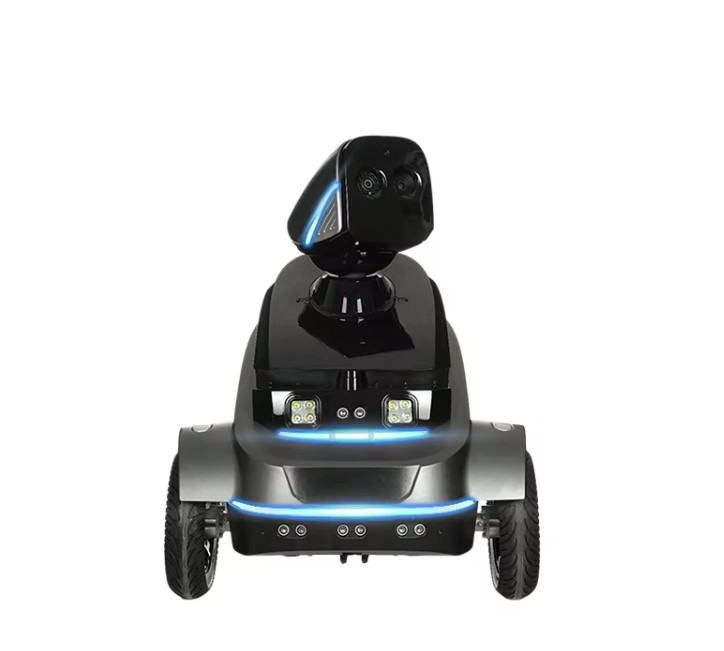
In recent years, the demand for technological advancements in hygiene and cleanliness has seen a significant surge. One such innovation that has made waves in this field is the UV disinfection robot. These robots, armed with powerful ultraviolet-C (UV-C) lights, have gained prominence for their ability to sanitize large spaces efficiently and effectively.
Understanding UV Disinfection Robots
A UV disinfection robot harnesses the power of ultraviolet light to kill or deactivate harmful microorganisms. They are primarily used in environments that require strict hygiene standards like hospitals, schools, offices, and public transportation hubs.
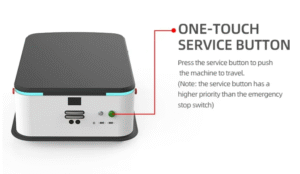
These robots utilize short-wavelength ultraviolet (UV-C) light to break down the DNA structures of bacteria, viruses and other pathogens, effectively rendering them harmless. Unlike traditional cleaning methods that rely on human labor and chemical agents, UV disinfection robots can work continuously without posing any health risks.
The Efficacy of UV Disinfection Robots
Several studies have validated the effectiveness of these robots against a broad range of pathogens. In fact, some research even suggests that UV-C light can destroy drug-resistant bacteria which pose a significant challenge in healthcare settings.
Moreover, because they operate autonomously, these robots eliminate human error from the equation – ensuring every corner gets an equal dose of disinfecting light. This thoroughness makes them particularly valuable in hospitals where maintaining sterile environments is critical.
Benefits of Using UV Disinfection Robots
- Cuts Down on Chemical Use: The use of harmful chemicals for disinfecting purposes is significantly reduced as these robots rely on UV-C light for sterilization purposes.
- Improves Efficiency: Being automated machines, they can operate 24/7 without breaks or fatigue – providing continual sanitation in high-risk areas.
- Reduces Labor Costs: Although the initial investment might be high, over time these robots can help save on labor-related expenses.
Considerations When Using UV Disinfection Robots
While the benefits of these robots are apparent, there are a few things to bear in mind. Firstly, people should not be present in the room while the robot is in operation as prolonged exposure to UV-C light can be harmful. Secondly, although these robots provide a comprehensive cleaning solution, they should not completely replace traditional cleaning methods. Instead, they should serve as an additional layer of protection against pathogens.
Conclusion
In conclusion, UV disinfection robots represent a significant stride forward in maintaining hygiene and cleanliness standards. As we continue to grapple with public health crises like COVID-19, technology like this will undoubtedly play a pivotal role in ensuring safer environments for everyone.