
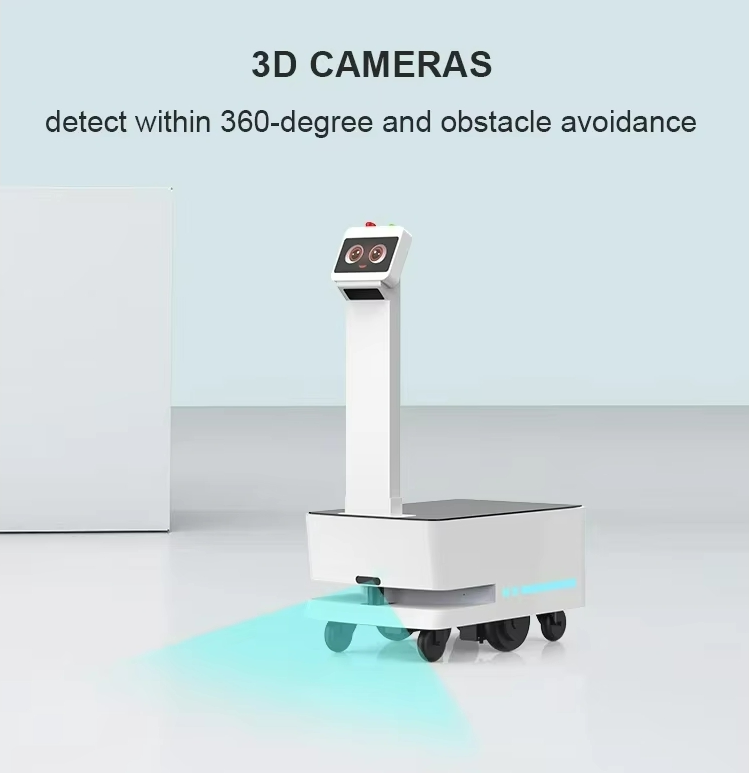
As the world continues to grapple with the ongoing pandemic, cleanliness and sanitation have never been more critical. One of the most innovative solutions emerging in this context is the use of ultraviolet-C or UV-C technology for disinfection purposes. Today, we’re focusing on a specific application of this technology – the “uv disinfection robot”. These robots are becoming increasingly popular in hospitals and public spaces due to their ability to eradicate harmful pathogens efficiently.
Understanding UV-C Disinfection
Before we delve into uv disinfection robots, it’s essential to understand what UV-C disinfection entails. Ultraviolet (UV) light is a type of electromagnetic radiation that’s divided into three categories: UV-A, UV-B, and UV-C. The latter is known for its germicidal properties, meaning it can destroy or inactivate microorganisms by damaging their DNA or RNA.
The Rise of UV Disinfection Robots
In response to the heightened need for effective sanitization methods, many companies have turned their focus towards creating autonomous cleaning robots equipped with powerful UV-C lights—enter the uv disinfection robot. These machines navigate around spaces autonomously, exposing surfaces to high-intensity UV-C light that effectively kills bacteria and viruses.
How Does a UV Disinfection Robot Work?
A uv disinfection robot typically operates by emitting concentrated UV-C light onto surfaces within its range. This light penetrates microorganisms and disrupts their DNA structure, thereby disabling them from reproducing and causing infections. Some advanced models even use sensors and algorithms to map out their cleaning path, ensuring all areas are adequately disinfected.
Why Are They Crucial For Hospitals And Public Spaces?
Hospitals are high-risk environments where disease-causing bacteria and viruses can thrive due to the constant influx of patients. Traditional cleaning methods may not be sufficient to eliminate all these pathogens, making uv disinfection robots a game-changer.
Similarly, public spaces like airports, malls, and schools can benefit from uv disinfection robots. These areas are frequented by large numbers of people daily, increasing the risk of disease transmission.
The Benefits of UV Disinfection Robots
- Efficiency: UV-C light can destroy up to 99.9% of bacteria and viruses, including those resistant to chemicals.
- Safety: The use of uv disinfection robots reduces human exposure to harmful pathogens during the cleaning process.
- Convenience: These machines can operate around-the-clock without requiring breaks or supervision.
- Eco-friendliness: Unlike chemical-based sanitization methods, UV-C disinfection doesn’t leave any residue that could harm the environment or individuals with allergies.
Moving Forward with UV Disinfection Robots
The ongoing pandemic has spotlighted the vital role that cleanliness plays in our health and safety. The rise of technologies like uv disinfection robots shows how innovation is helping us navigate this challenging time. As we move forward, we can expect these machines to become even more commonplace as they contribute to creating safer environments for all.
In Conclusion
The uv disinfection robot is more than just a technological novelty; it’s a powerful tool in our fight against infectious diseases. By harnessing the germicidal properties of UV-C light in an autonomous machine, we’re taking significant strides towards maintaining cleaner and safer shared spaces for everyone.